
THE OFF TOPIC THREAD
-
The00Dustin
- Posts: 1041
- Joined: Mon Jun 29, 2009 4:05 am
- Car: 2006 Infiniti M45
- Location: Bloomington, IN
Re: THE OFF TOPIC THREAD
^ and it worked
-
a.blanco0905
- Posts: 2538
- Joined: Mon Dec 20, 2010 7:49 pm
- Car: 2006 Infiniti M45
91 300zx TT
07 Kaw ZX6R - Location: Killeen, TX
- Contact:
Re: THE OFF TOPIC THREAD
x2, that is disgusting...FNAWSM wrote:^ and it worked
-
a.blanco0905
- Posts: 2538
- Joined: Mon Dec 20, 2010 7:49 pm
- Car: 2006 Infiniti M45
91 300zx TT
07 Kaw ZX6R - Location: Killeen, TX
- Contact:
Re: THE OFF TOPIC THREAD
Well, it's an 80k car with about 500 whp so whoever can afford this car will definitely pay top dollar for a few more HP, shoot, even 3 HP, contrary to popular belief, makes a lot of difference in a car, on the track that is... plus it's a turbo app, there's soooooo much more room to play with on turbo'd cars. By personal experience on turbo applications, even without mods, a chip/tune will definitely be worth it on this car... if they can hack it.EniGmA1987 wrote:I really dont think UpRev will help very much on a GTR, the GTR is really well tuned and has hand built engines as it is. There wouldnt be much headroom for gain I dont think. Maybe if you mod the crap out of car and get it re-tuned, but getting an UpReve for a stock GTR would be pointless.

-
antzrus

- Posts: 1824
- Joined: Tue Feb 19, 2008 10:20 am
- Car: '06 M35x Premium/Obsidian/Bourbon/
Rosewood/XM/Tint/
ClearBra/SteelSkidPlate/Genuine CoCo Mats/Michelin CrossClimate2/Nav Hack/M-1 - Location: Wenatchee, Washington USA
Re: THE OFF TOPIC THREAD
This is the 100th reply on this thread. I thought I'd add some class w/some artwork:

Re: THE OFF TOPIC THREAD
I just took a huge duke, this would have come in handy http://www.youtube.com/watch?v=t_N8zXAZrQ8
-
antzrus
- Posts: 1824
- Joined: Tue Feb 19, 2008 10:20 am
- Car: '06 M35x Premium/Obsidian/Bourbon/
Rosewood/XM/Tint/
ClearBra/SteelSkidPlate/Genuine CoCo Mats/Michelin CrossClimate2/Nav Hack/M-1 - Location: Wenatchee, Washington USA
Re: THE OFF TOPIC THREAD
Hey, I got one of these-works great!! http://www.flushmate.com/SeeItWork/
-
a.blanco0905
- Posts: 2538
- Joined: Mon Dec 20, 2010 7:49 pm
- Car: 2006 Infiniti M45
91 300zx TT
07 Kaw ZX6R - Location: Killeen, TX
- Contact:
Re: THE OFF TOPIC THREAD
The turd cutter is dishwasher safe?qship96 wrote:I just took a huge duke, this would have come in handy http://www.youtube.com/watch?v=t_N8zXAZrQ8
 Really???
  lol...
-
infinitedrift
- Posts: 592
- Joined: Wed Sep 19, 2007 2:49 pm
- Car: 99' Cherokee
11' M56s
03' M45
03' Maxima(SOLD)
08' M35
91' 240(SOLD)
07' Crown Vic (wink) - Location: South Florida
Re: THE OFF TOPIC THREAD
Turd cutter....WOW!!..what if your balls hang low and its get them?
Re: THE OFF TOPIC THREAD
maybe a neat companion product to the turd cutter would be the corn separator,that extracts the kernals and sends them to the ethanol producing plant!
Re: THE OFF TOPIC THREAD
wow just read through this thread, good job guys. keep up the good work!
Modern Romance Story
He held me firmly but gently just above my elbow and guided me
into a room. I had never been there but I knew this was his room. I knew
what he was going to do to me, and I knew I was going to let him. The
door closed quietly and we were alone.
He approached silently from behind and spoke in a low, reassuring
voice close to my ear. "Just relax."
Without warning, he reached down and I felt his strong, calloused
hands start at my ankles, gently probing, and caressing upward along
my tender calves slowly and steadily. My breath caught in my throat.
I knew I should be afraid, but somehow I didn't care. His touch was
so experienced, so sure.
When his hands moved under my skirt to my thighs I gave a slight
shudder and partly closed my eyes. My pulse was pounding. His
knowing fingers continued upward across my abdomen, my ribcage. And
then, as he cupped my firm, full breasts in his hands, I inhaled
sharply. Probing, searching, knowing what he wanted, his teasing
hands quickly moved to my shoulders and slid down my tingling spine.
My entire body was throbbing when he discovered my pink, lace thong.
Although I knew nothing about this man, I felt oddly trusting and
expectant. "This is a man," I thought. A man used to taking charge.
A man not used to taking "No" for an answer. A man who would tell me
what he wanted. A man who would look into my soul and say...
"Okay all done. Here's your purse, ma'am. Have a nice flight."
Modern Romance Story
He held me firmly but gently just above my elbow and guided me
into a room. I had never been there but I knew this was his room. I knew
what he was going to do to me, and I knew I was going to let him. The
door closed quietly and we were alone.
He approached silently from behind and spoke in a low, reassuring
voice close to my ear. "Just relax."
Without warning, he reached down and I felt his strong, calloused
hands start at my ankles, gently probing, and caressing upward along
my tender calves slowly and steadily. My breath caught in my throat.
I knew I should be afraid, but somehow I didn't care. His touch was
so experienced, so sure.
When his hands moved under my skirt to my thighs I gave a slight
shudder and partly closed my eyes. My pulse was pounding. His
knowing fingers continued upward across my abdomen, my ribcage. And
then, as he cupped my firm, full breasts in his hands, I inhaled
sharply. Probing, searching, knowing what he wanted, his teasing
hands quickly moved to my shoulders and slid down my tingling spine.
My entire body was throbbing when he discovered my pink, lace thong.
Although I knew nothing about this man, I felt oddly trusting and
expectant. "This is a man," I thought. A man used to taking charge.
A man not used to taking "No" for an answer. A man who would tell me
what he wanted. A man who would look into my soul and say...
"Okay all done. Here's your purse, ma'am. Have a nice flight."

-
a.blanco0905
- Posts: 2538
- Joined: Mon Dec 20, 2010 7:49 pm
- Car: 2006 Infiniti M45
91 300zx TT
07 Kaw ZX6R - Location: Killeen, TX
- Contact:
Re: THE OFF TOPIC THREAD
Hey everybody I found Eric (infiniti_lineup)!!!!!!!!!!!!!

Re: THE OFF TOPIC THREAD
I think he is currently living in a "gated" community
-
antzrus
- Posts: 1824
- Joined: Tue Feb 19, 2008 10:20 am
- Car: '06 M35x Premium/Obsidian/Bourbon/
Rosewood/XM/Tint/
ClearBra/SteelSkidPlate/Genuine CoCo Mats/Michelin CrossClimate2/Nav Hack/M-1 - Location: Wenatchee, Washington USA
Re: THE OFF TOPIC THREAD
With free room and board and all..?qship96 wrote:I think he is currently living in a "gated" community
Re: THE OFF TOPIC THREAD
and all the bars of soap you dare to pick up
-
antzrus
- Posts: 1824
- Joined: Tue Feb 19, 2008 10:20 am
- Car: '06 M35x Premium/Obsidian/Bourbon/
Rosewood/XM/Tint/
ClearBra/SteelSkidPlate/Genuine CoCo Mats/Michelin CrossClimate2/Nav Hack/M-1 - Location: Wenatchee, Washington USA
Re: THE OFF TOPIC THREAD
qship96 wrote:and all the bars of soap you dare to pick up
ouch !!!!
-
a.blanco0905
- Posts: 2538
- Joined: Mon Dec 20, 2010 7:49 pm
- Car: 2006 Infiniti M45
91 300zx TT
07 Kaw ZX6R - Location: Killeen, TX
- Contact:
Re: THE OFF TOPIC THREAD
Gotta love this guy and his BCGs...

Re: THE OFF TOPIC THREAD
That's pretty much how I picture Antz looking... only not as good looking or in shape
-
a.blanco0905
- Posts: 2538
- Joined: Mon Dec 20, 2010 7:49 pm
- Car: 2006 Infiniti M45
91 300zx TT
07 Kaw ZX6R - Location: Killeen, TX
- Contact:
Re: THE OFF TOPIC THREAD
Doc Antz, you've been...FNAWSM wrote:That's pretty much how I picture Antz looking... only not as good looking or in shape

-
antzrus
- Posts: 1824
- Joined: Tue Feb 19, 2008 10:20 am
- Car: '06 M35x Premium/Obsidian/Bourbon/
Rosewood/XM/Tint/
ClearBra/SteelSkidPlate/Genuine CoCo Mats/Michelin CrossClimate2/Nav Hack/M-1 - Location: Wenatchee, Washington USA
Re: THE OFF TOPIC THREAD
Blimey Mates!! This thread already has a candid photo of me. Here, I'll post it again.
I slipped on the ice...

I slipped on the ice...
-
a.blanco0905
- Posts: 2538
- Joined: Mon Dec 20, 2010 7:49 pm
- Car: 2006 Infiniti M45
91 300zx TT
07 Kaw ZX6R - Location: Killeen, TX
- Contact:
Re: THE OFF TOPIC THREAD
I'm selling or trading my 350z 35th anniversary wheels...
tx-fs-ft-350z-35th-anniversary-wheels-w ... 24337.html
tx-fs-ft-350z-35th-anniversary-wheels-w ... 24337.html
-
infinitedrift
- Posts: 592
- Joined: Wed Sep 19, 2007 2:49 pm
- Car: 99' Cherokee
11' M56s
03' M45
03' Maxima(SOLD)
08' M35
91' 240(SOLD)
07' Crown Vic (wink) - Location: South Florida
Re: THE OFF TOPIC THREAD
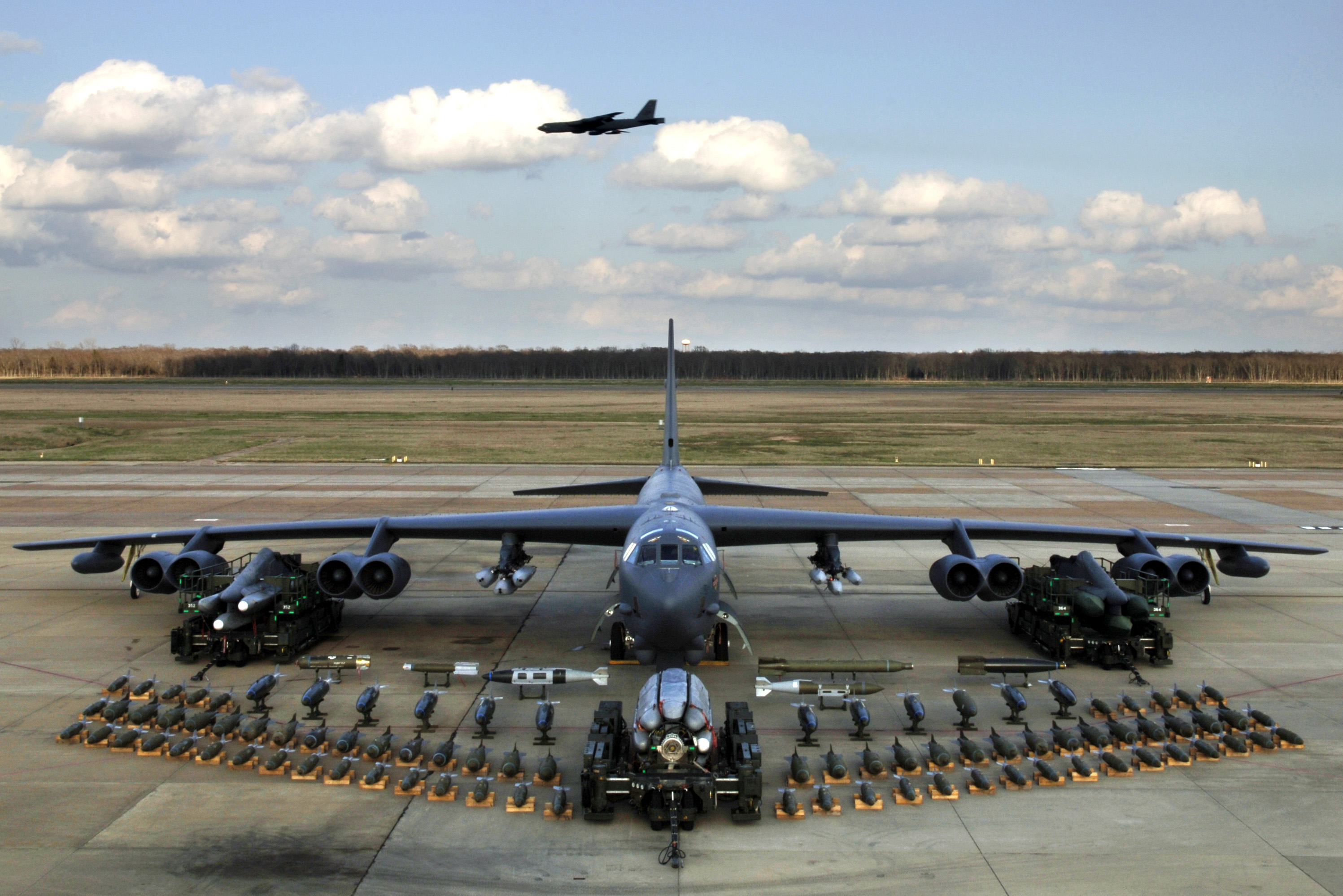
I used to load these same bombs on FA-18's. Try getting a job when you leave the military and telling them you were a bomb tech...Ummm, well call ya.antzrus wrote:
-
a.blanco0905
- Posts: 2538
- Joined: Mon Dec 20, 2010 7:49 pm
- Car: 2006 Infiniti M45
91 300zx TT
07 Kaw ZX6R - Location: Killeen, TX
- Contact:
Re: THE OFF TOPIC THREAD
Try telling them you were an infantryman for about 10 years... Ummmm, lol.infinitedrift wrote:I used to load these same bombs on FA-18's. Try getting a job when you leave the military and telling them you were a b0mb tech...Ummm, well call ya.
-
antzrus
- Posts: 1824
- Joined: Tue Feb 19, 2008 10:20 am
- Car: '06 M35x Premium/Obsidian/Bourbon/
Rosewood/XM/Tint/
ClearBra/SteelSkidPlate/Genuine CoCo Mats/Michelin CrossClimate2/Nav Hack/M-1 - Location: Wenatchee, Washington USA
Re: THE OFF TOPIC THREAD
I was a grunt Marine in the '60's, an Army psychologist in the 80's, and now a civilian semi retired psychologist fairly well to do civilian who gave his best (and worst...) to Uncle Sam and also got the best (and worst...) from Uncle Sam as well.
Think of those brothers/sisters of yours who gave it all and only got six feet of dirt for their efforts. Be thankful, be really proud and remember no hard work (no pain), no gain.
OOOoooorah!!!
Think of those brothers/sisters of yours who gave it all and only got six feet of dirt for their efforts. Be thankful, be really proud and remember no hard work (no pain), no gain.
OOOoooorah!!!
-
antzrus
- Posts: 1824
- Joined: Tue Feb 19, 2008 10:20 am
- Car: '06 M35x Premium/Obsidian/Bourbon/
Rosewood/XM/Tint/
ClearBra/SteelSkidPlate/Genuine CoCo Mats/Michelin CrossClimate2/Nav Hack/M-1 - Location: Wenatchee, Washington USA
Re: THE OFF TOPIC THREAD
The rate of suicide among soldiers and recent veterans has nearly doubled since the Iraq War began, according to the U.S. Department of Defense. More than 1,100 U.S. servicemen and women killed themselves between 2005 and 2009. More than 6,500 U.S. veterans commit suicide each year -- about 18 a day -- with numbers rising, according to Department of Defense figures.
"No one gets away free," said Dr. Jim Goodwin, a semi-retired Wenatchee psychologist who was one of the first medical professionals to define the characteristics of PTSD in the early 1980s. Goodwin is probably best known for his strong advocacy of the antidepressant Prozac. The national press called him the "Pied Piper of Prozac," after he appeared on Oprah Winfrey, CNN and in other media in the early 1990s.
But before Prozac was available Goodwin was already well known for his work on PTSD, a term that wasn't widely known before he published his groundbreaking work, "The Etiology of Combat-Related Post-Traumatic Stress Disorders." A U.S. Marine who saw combat in Vietnam in the early 1970s, Goodwin wrote his paper as his doctorate thesis at the University of Denver while volunteering as a counselor for the Vietnam Veterans Outreach Program. He later re-enlisted in the military and was an U.S. Army psychologist with the rank of captain from 1980 to 1988. He helped treat thousands of soldiers and veterans with PTSD during that time and afterward in private practice. He's had his own struggles with PTSD.
His thesis was first published in 1980 as a pamphlet by the national nonprofit group Disabled American Veterans. More than 3.5 million copies were distributed. It's still used today and considered one of the seminal works describing PTSD.
"Everybody who returns from combat suffers from it to a degree. What was needed was a criteria to establish who would get help," said Goodwin, 63. He ran into a lot of opposition from the Army. The Army accused him of trying to turn its men into babies. A lot of soldiers were discharged because of "character disorders," he said.
"They thought war was good for men. We were working with returning veterans who were really struggling, but there wasn't a name for it," he said. Certainly, the problem existed for previous wars, when soldiers returned with problems labeled as shell shock, combat stress, battle fatigue and combat neuroses. But largely, soldiers were told to return home, forget about the war and be men, said Goodwin.
That seemed to work for awhile, but studies made at different intervals following World War II showed there were some combat veterans suffering from problems that included intense anxiety, battle dreams, depression and aggressive behavior, according to Goodwin's research.
Vietnam was different from previous wars because it was America's first guerilla war, he said. Soldiers were fighting in jungles and not against a uniformed enemy but men, women and children who could not be distinguished from civilians. Soldiers were focused on the day they could return home and leave war behind, Goodwin said, but when they did they were not treated like heroes because of the war's unpopularity. Many were spit on and called baby-killers.
Veterans of recent conflicts have been better treated than Vietnam veterans were when they returned home from that unpopular war, he said. They also have had wider availability of therapy and new antidepressants like Prozac, Paxil and Zoloft, as well as several other medications, during and after active military duty. A recent Army study found that 17 percent of its active military were using some sort of antidepressant. Most veterans diagnosed with PTSD take medications, Goodwin said.
From Rick Steigmeyer The Wenatchee World, Wash. 11/11/2010
"No one gets away free," said Dr. Jim Goodwin, a semi-retired Wenatchee psychologist who was one of the first medical professionals to define the characteristics of PTSD in the early 1980s. Goodwin is probably best known for his strong advocacy of the antidepressant Prozac. The national press called him the "Pied Piper of Prozac," after he appeared on Oprah Winfrey, CNN and in other media in the early 1990s.
But before Prozac was available Goodwin was already well known for his work on PTSD, a term that wasn't widely known before he published his groundbreaking work, "The Etiology of Combat-Related Post-Traumatic Stress Disorders." A U.S. Marine who saw combat in Vietnam in the early 1970s, Goodwin wrote his paper as his doctorate thesis at the University of Denver while volunteering as a counselor for the Vietnam Veterans Outreach Program. He later re-enlisted in the military and was an U.S. Army psychologist with the rank of captain from 1980 to 1988. He helped treat thousands of soldiers and veterans with PTSD during that time and afterward in private practice. He's had his own struggles with PTSD.
His thesis was first published in 1980 as a pamphlet by the national nonprofit group Disabled American Veterans. More than 3.5 million copies were distributed. It's still used today and considered one of the seminal works describing PTSD.
"Everybody who returns from combat suffers from it to a degree. What was needed was a criteria to establish who would get help," said Goodwin, 63. He ran into a lot of opposition from the Army. The Army accused him of trying to turn its men into babies. A lot of soldiers were discharged because of "character disorders," he said.
"They thought war was good for men. We were working with returning veterans who were really struggling, but there wasn't a name for it," he said. Certainly, the problem existed for previous wars, when soldiers returned with problems labeled as shell shock, combat stress, battle fatigue and combat neuroses. But largely, soldiers were told to return home, forget about the war and be men, said Goodwin.
That seemed to work for awhile, but studies made at different intervals following World War II showed there were some combat veterans suffering from problems that included intense anxiety, battle dreams, depression and aggressive behavior, according to Goodwin's research.
Vietnam was different from previous wars because it was America's first guerilla war, he said. Soldiers were fighting in jungles and not against a uniformed enemy but men, women and children who could not be distinguished from civilians. Soldiers were focused on the day they could return home and leave war behind, Goodwin said, but when they did they were not treated like heroes because of the war's unpopularity. Many were spit on and called baby-killers.
Veterans of recent conflicts have been better treated than Vietnam veterans were when they returned home from that unpopular war, he said. They also have had wider availability of therapy and new antidepressants like Prozac, Paxil and Zoloft, as well as several other medications, during and after active military duty. A recent Army study found that 17 percent of its active military were using some sort of antidepressant. Most veterans diagnosed with PTSD take medications, Goodwin said.
From Rick Steigmeyer The Wenatchee World, Wash. 11/11/2010
-
a.blanco0905
- Posts: 2538
- Joined: Mon Dec 20, 2010 7:49 pm
- Car: 2006 Infiniti M45
91 300zx TT
07 Kaw ZX6R - Location: Killeen, TX
- Contact:
Re: THE OFF TOPIC THREAD
Holy crapperoni Doc Antz, you're the real deal... I hope you' are able to help me with a VA issue. I'll email you tonight and see your take on it.
-
antzrus
- Posts: 1824
- Joined: Tue Feb 19, 2008 10:20 am
- Car: '06 M35x Premium/Obsidian/Bourbon/
Rosewood/XM/Tint/
ClearBra/SteelSkidPlate/Genuine CoCo Mats/Michelin CrossClimate2/Nav Hack/M-1 - Location: Wenatchee, Washington USA
Re: THE OFF TOPIC THREAD
Yeah, just like Coke !a.blanco0905 wrote:Holy crapperoni Doc Antz, you're the real deal... I hope you' are able to help me with a VA issue. I'll email you tonight and see your take on it.
