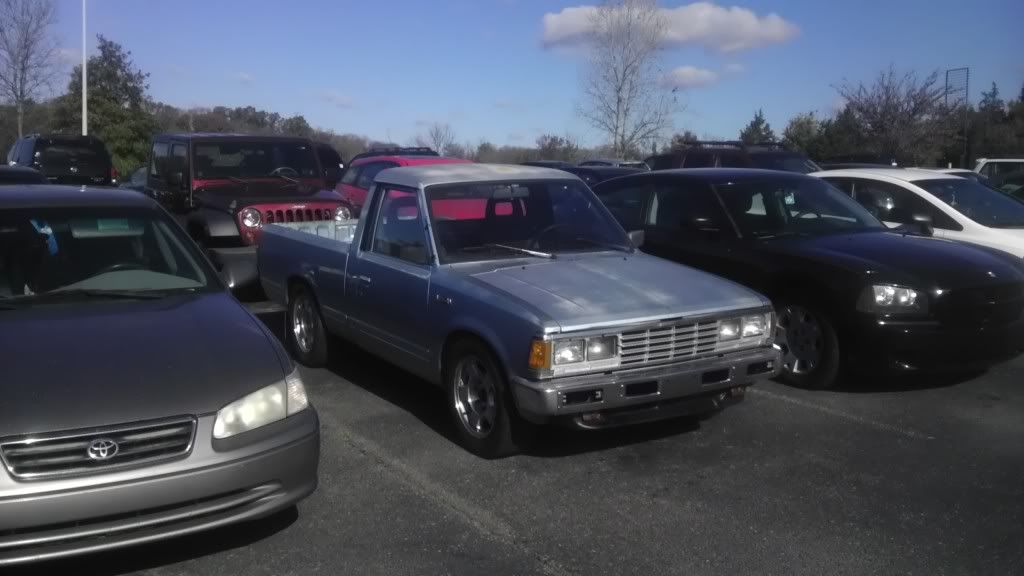
My "I bought this 720 and its a POS, so let's fix it" thread

1980-1986 Datsun 720 forums. All 720-specific topics and discussion can be found here.
Smyrna720
Posts: 67
Joined: Wed Dec 21, 2011 8:13 am
Car: 1985 Nissan 720 2WD stripper
1996 Chevrolet Caprice (The fast one)
1997 Dodge Intrepid (The beater)
Location: Smyrna TN, Home of the 720
Contact:

Post

Well, double f*** me Jesus on a pogo stick running sideways up a hill.

Needless to say, I got the Weber on. Also, it was not the problem. Well, I'm sure the old carb was a little bit of the problem, but I've got bigger issues.

I'll just start posting pictures and we'll go from there.

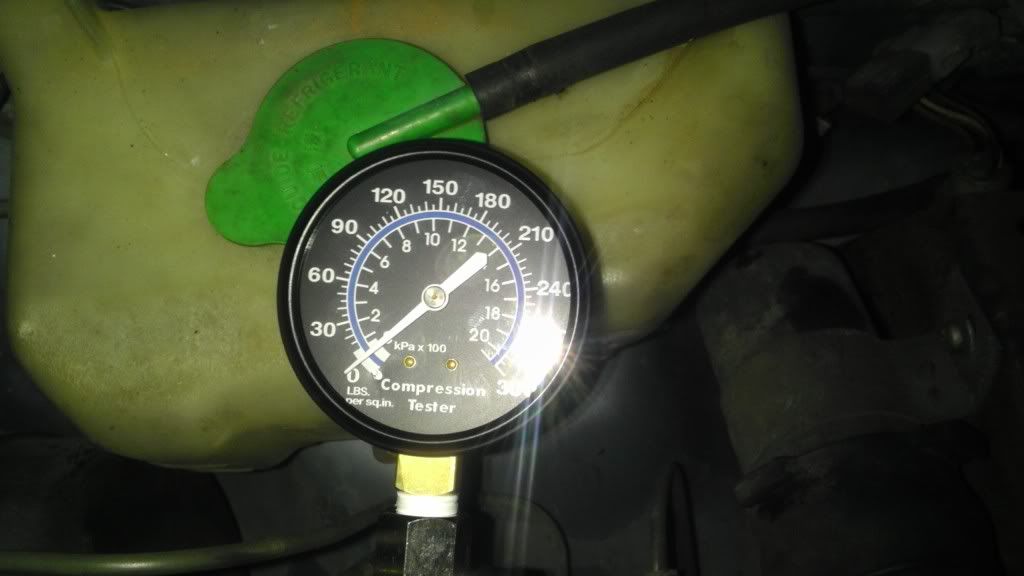
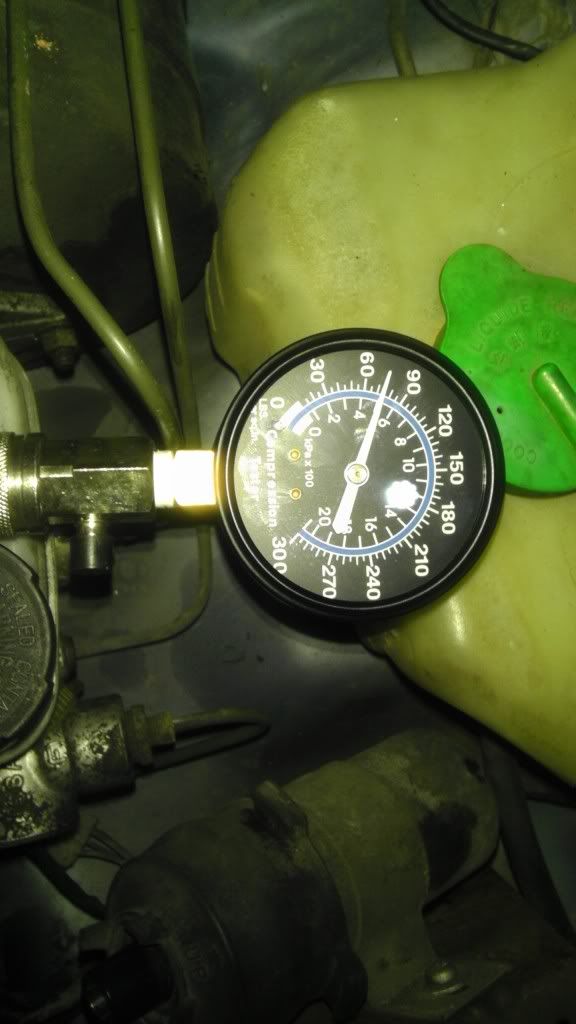
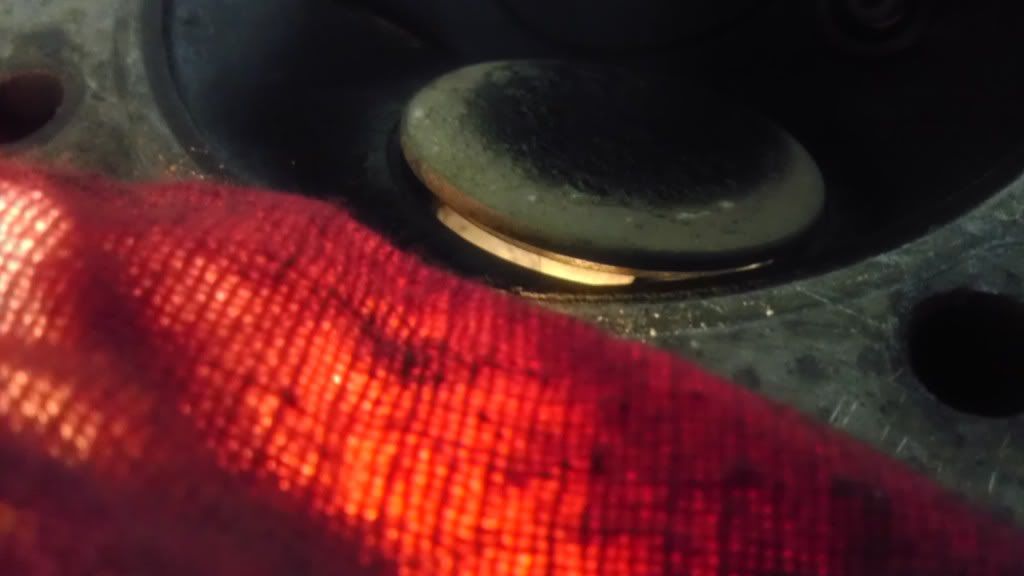
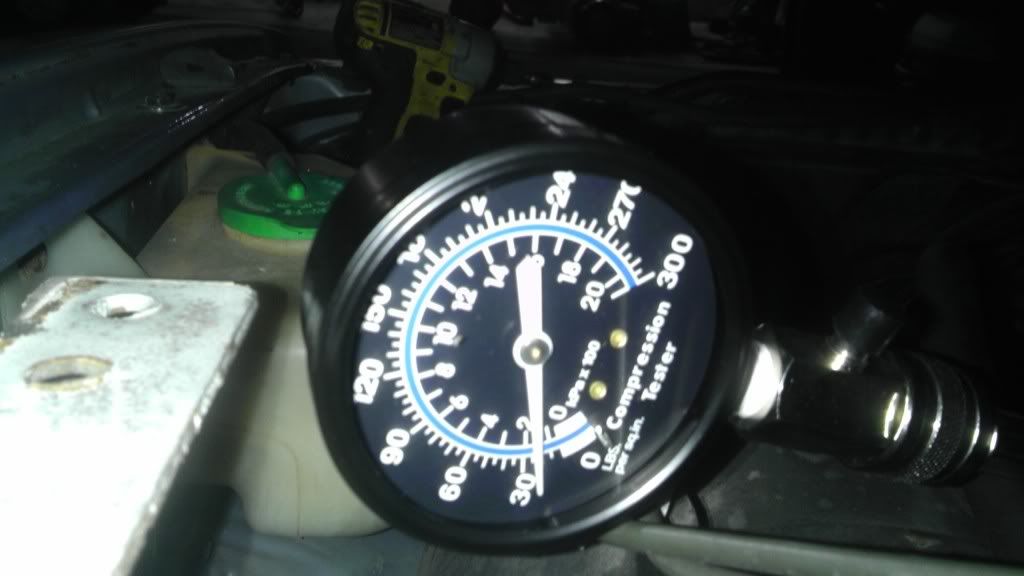
I couldn't get it to run right still with the Weber, so I broke down and bought a compression tester. Wish I woulda done that sooner.

Cylinder 1
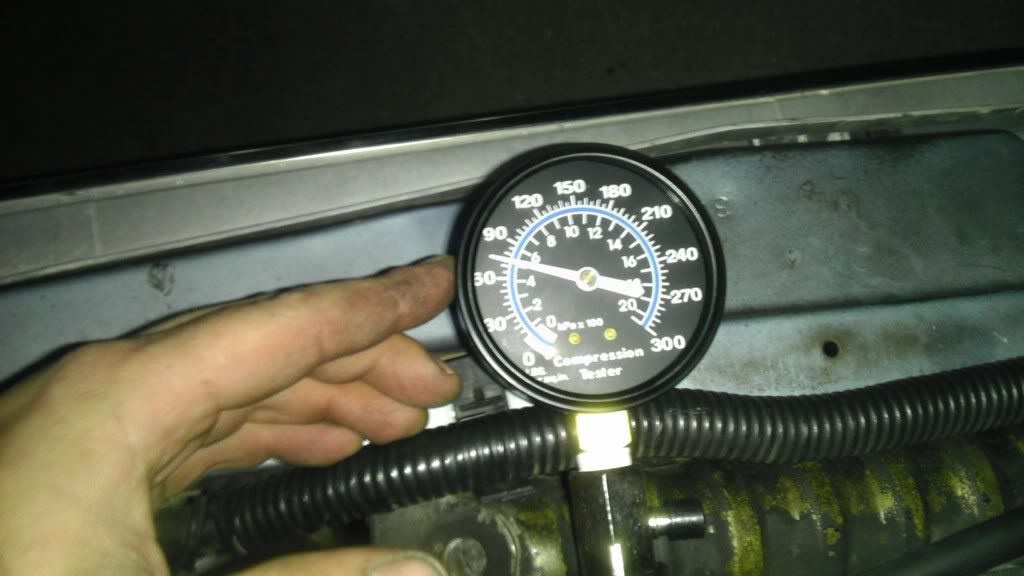
Image

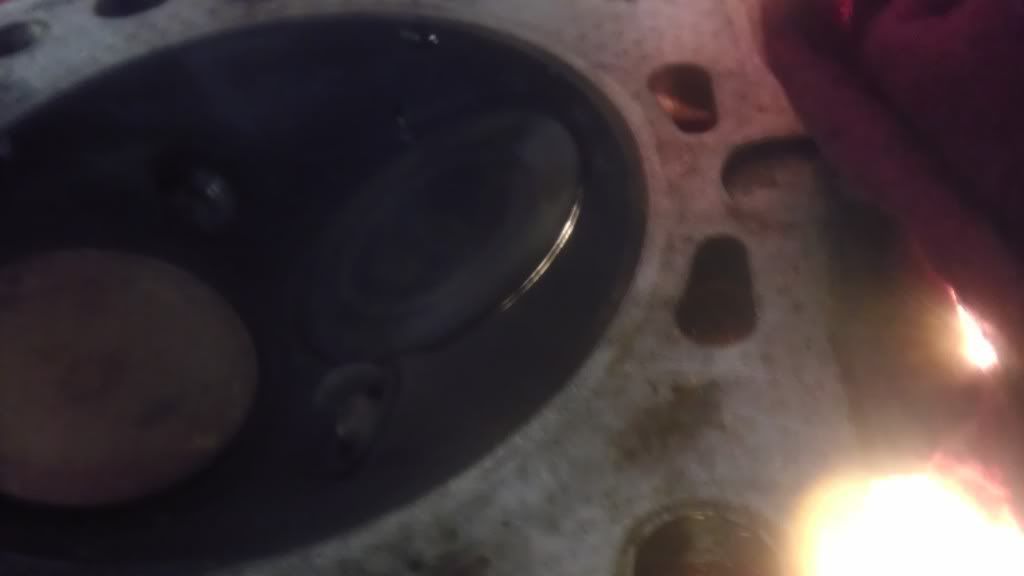
2

Uh oh.

Image

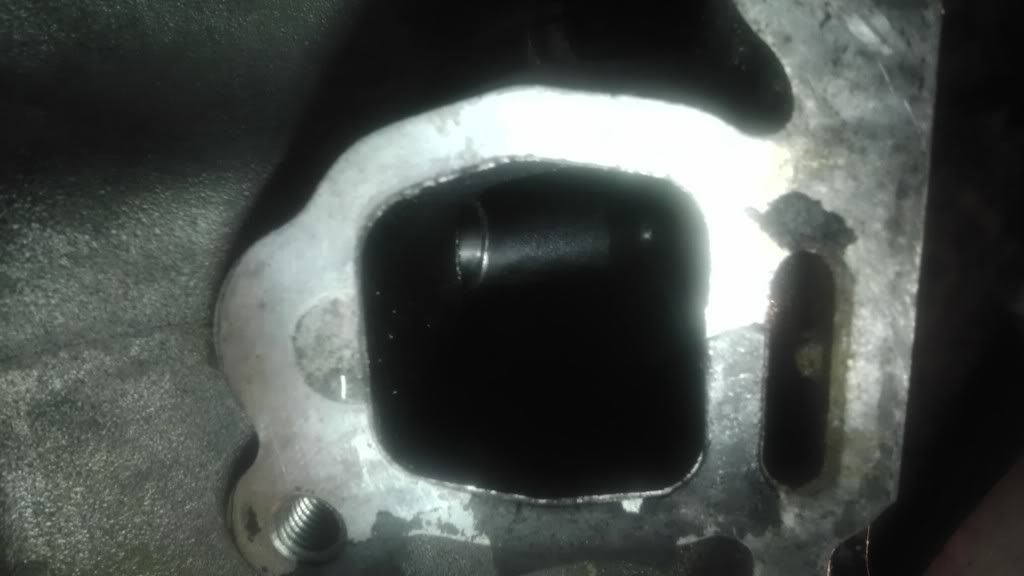
3

Image

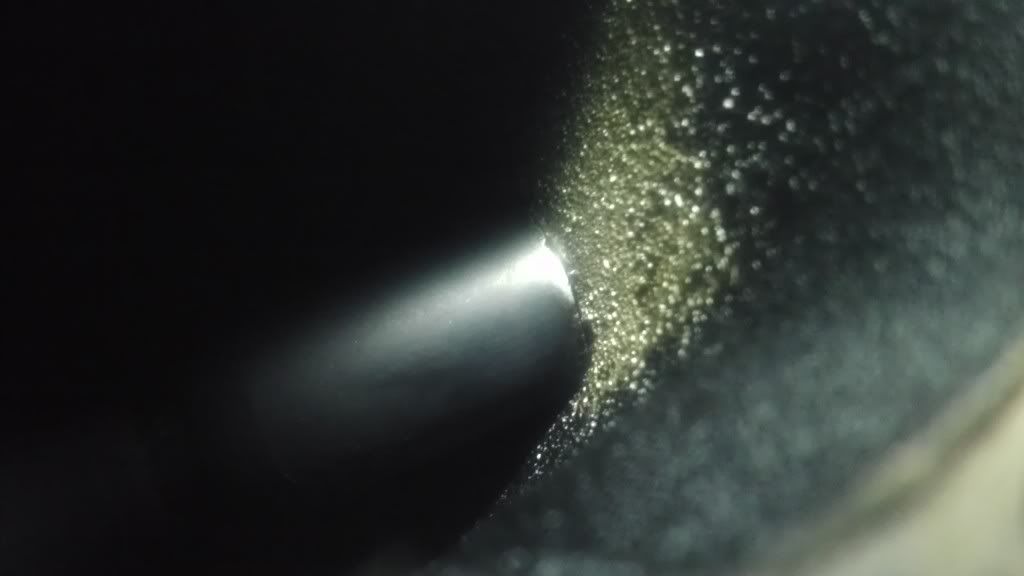
4

This was while cranking. It would instantly fall when I would let off the key.
Image

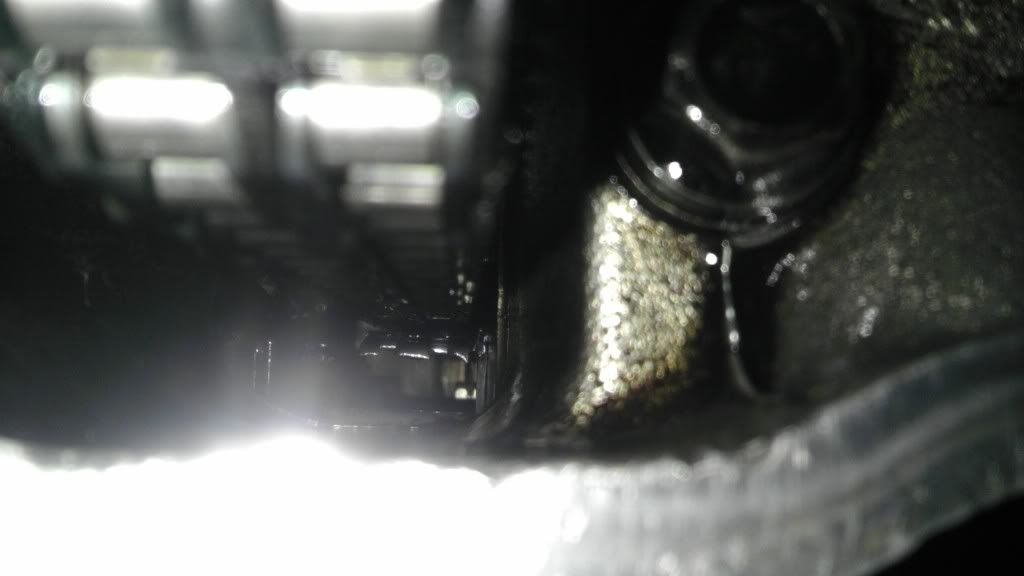
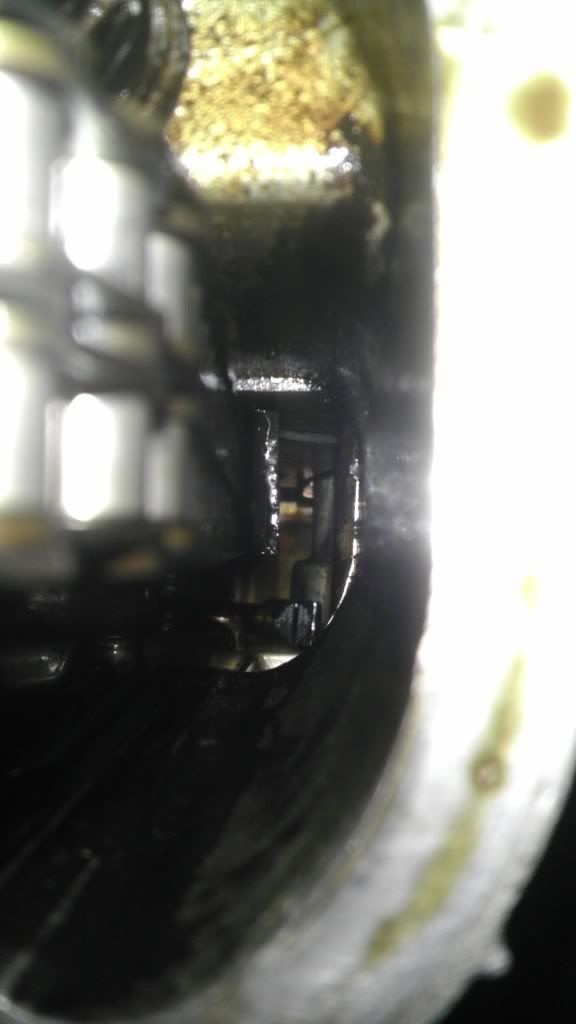
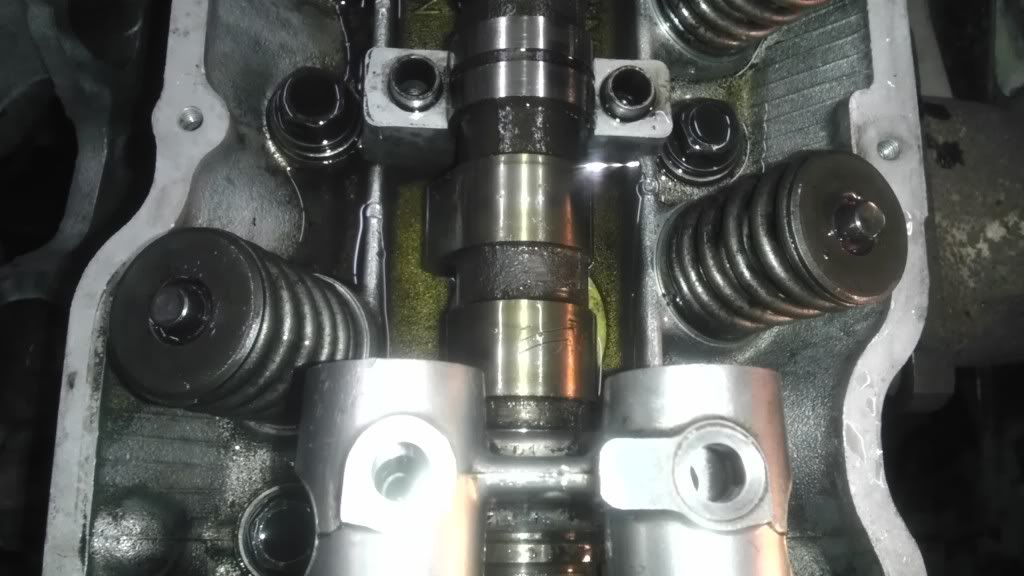
So, I pulled the valve cover

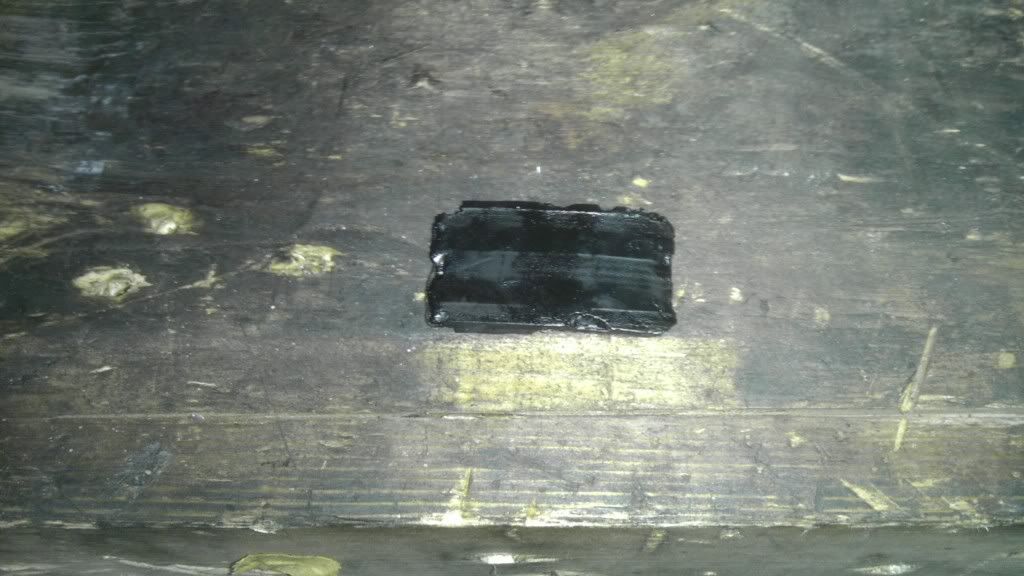
I forgot to mention, I found this when I pulled the pan. We didn't know what it was at the time, but I know now.

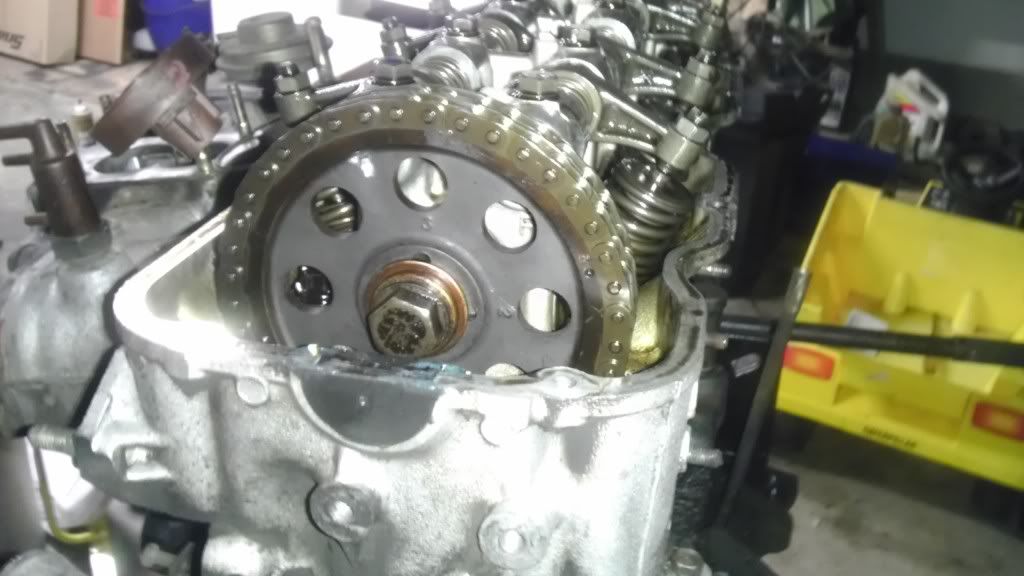
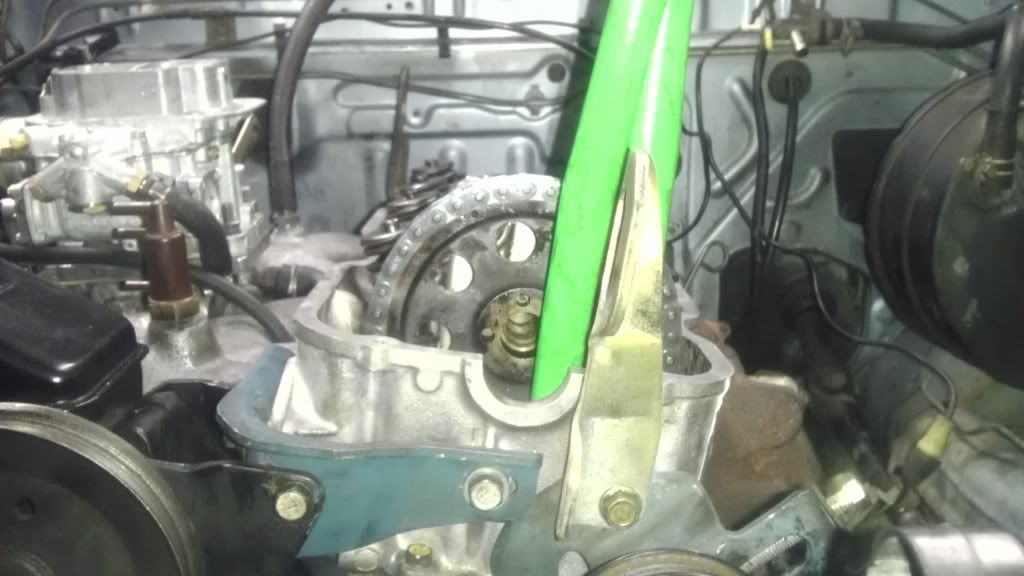
Timing chain tensioner.
Image

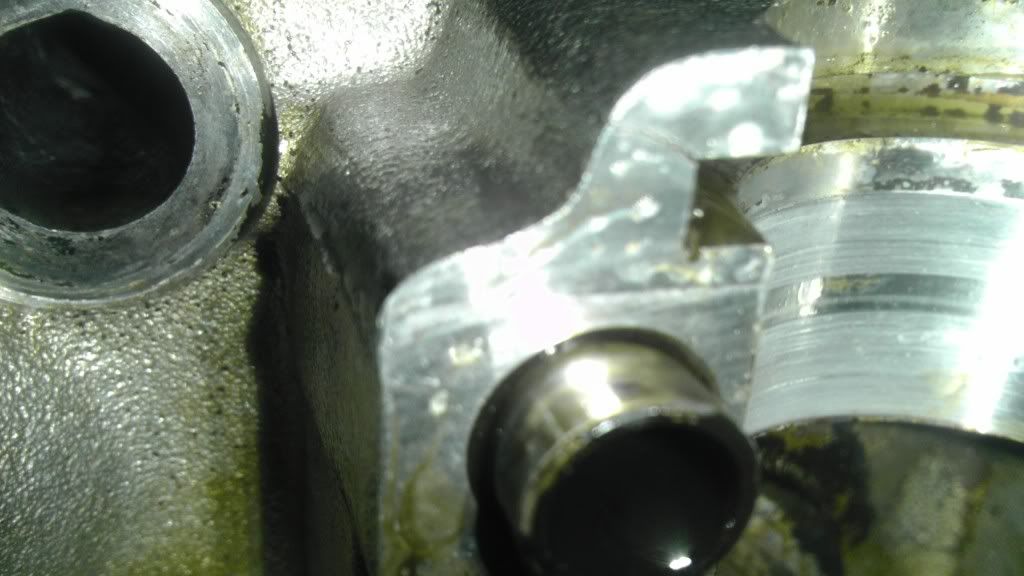
Inside look at the tensioner.

Image

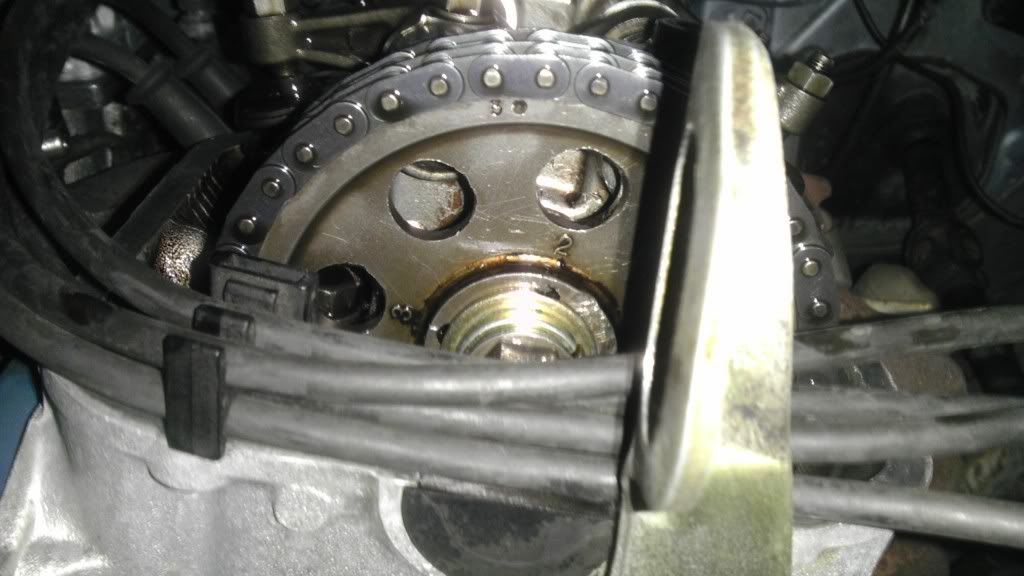
Somebody has been in here before...

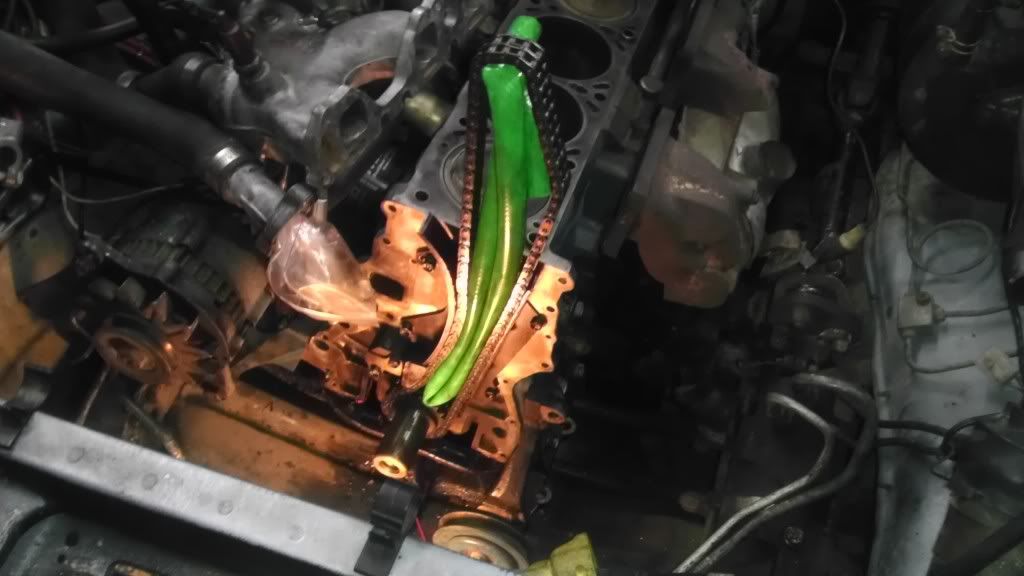
New chain.
Image

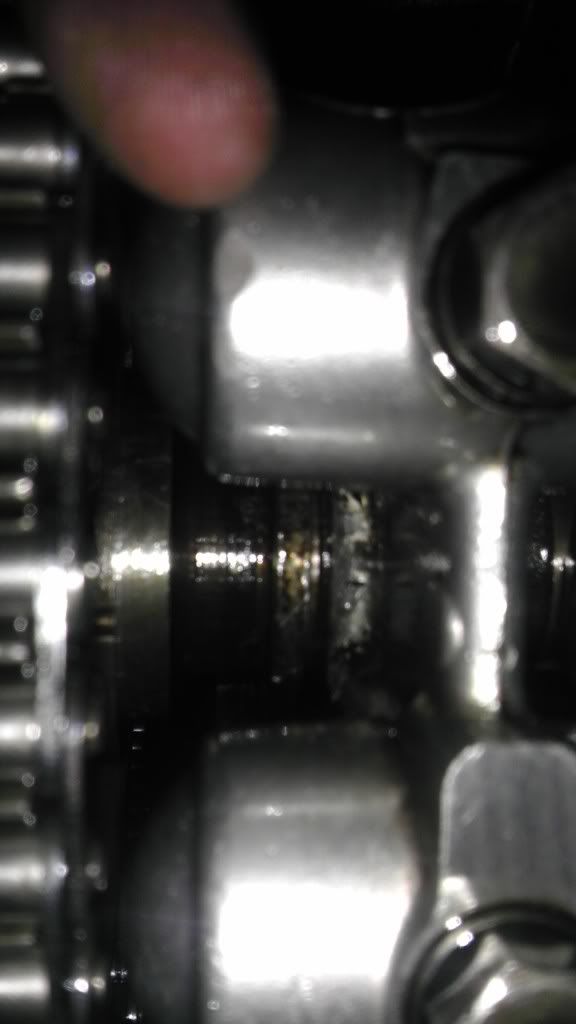
Boogered up, so I know it's been messed with.
Image

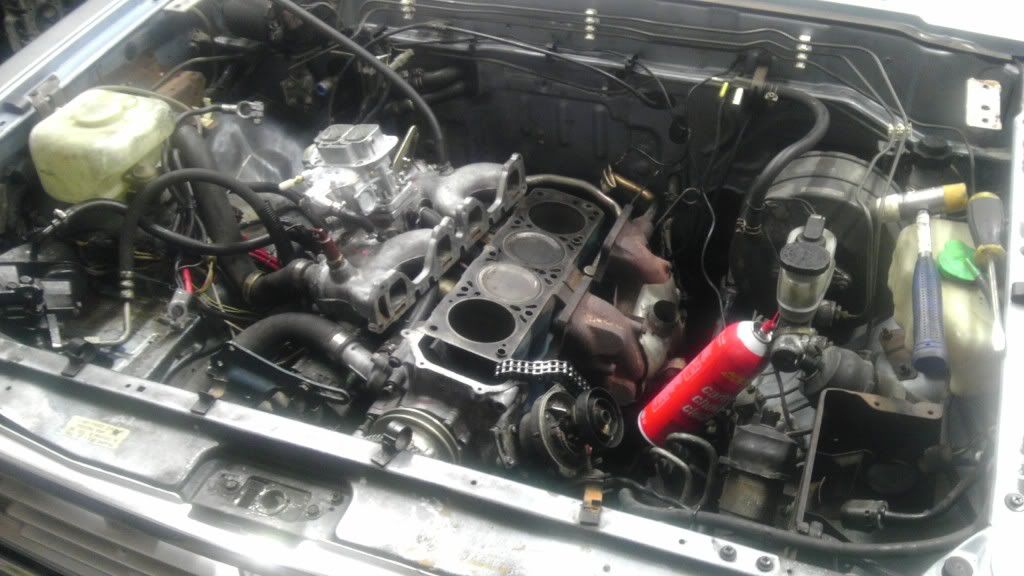
This is my OLD MOTOR ON THE STAND. This is what it should look like.
Image

See how much taller it is?

Image

Different chain.

Image


I put together a "How to install your Weber" post. I got a metric s*** ton of pictures of that.

So... Comparing my old motor to the new one, I've concluded that the cam isn't out of time. Putting #1 on TDC compression, I noted that the cam gear and cam itself are in the same positions. Turning the engine over and checking valve lash, I've concluded that #4 exhaust is too tight, which is probably the cause of the low compression in #4.

I pulled the schrader valve out of my compression tester and used compressed air to see where I was getting my leakage. Low and behold, it's coming out both intake and exhaust on #2, intake on #1 and I didn't bother checking the others. Looks like the head is coming off. It either got really hot and the valve seats fell out, or somebody floated the valves and bent them. Either way, it's f***.

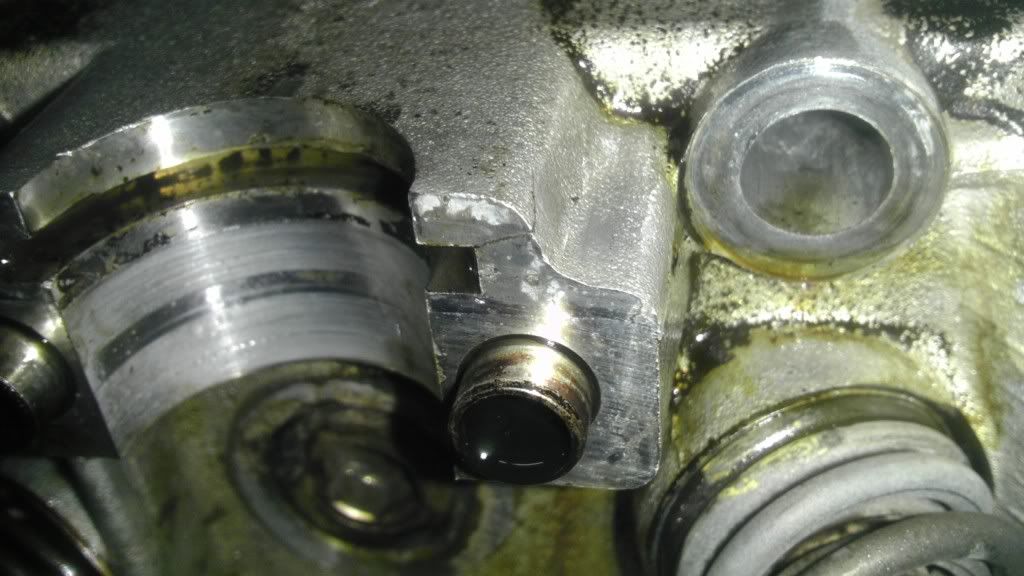
Oh, and I just pulled the head on my core motor, both valves are bent on #1, the broken rod cylinder, and the thrust face for the cam is cracked.

f***.
Image

Image


Smyrna720
Posts: 67
Joined: Wed Dec 21, 2011 8:13 am
Car: 1985 Nissan 720 2WD stripper
1996 Chevrolet Caprice (The fast one)
1997 Dodge Intrepid (The beater)
Location: Smyrna TN, Home of the 720
Contact:

Post

Diagnosis: f***.

I'll let the pictures do the talking.

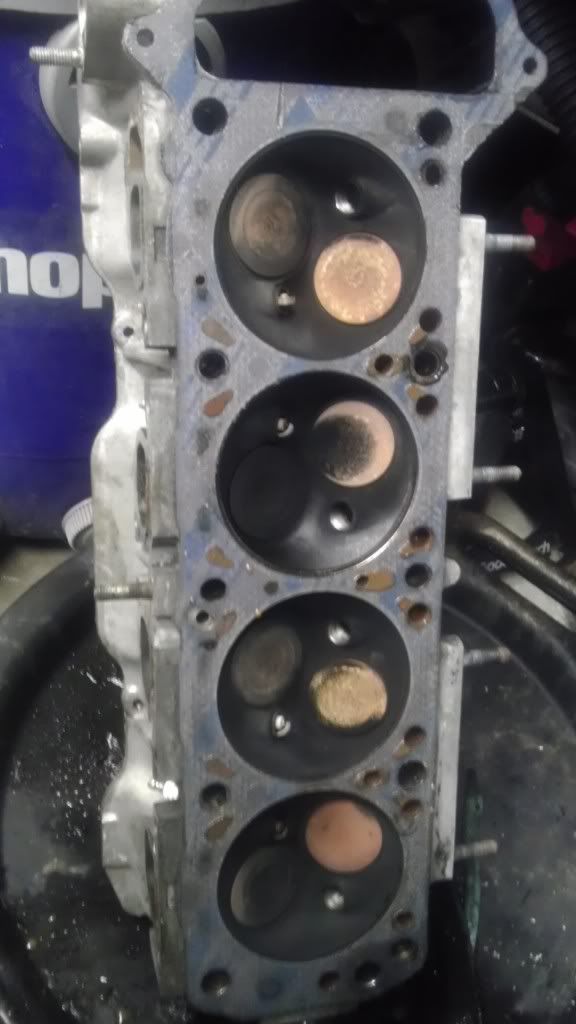
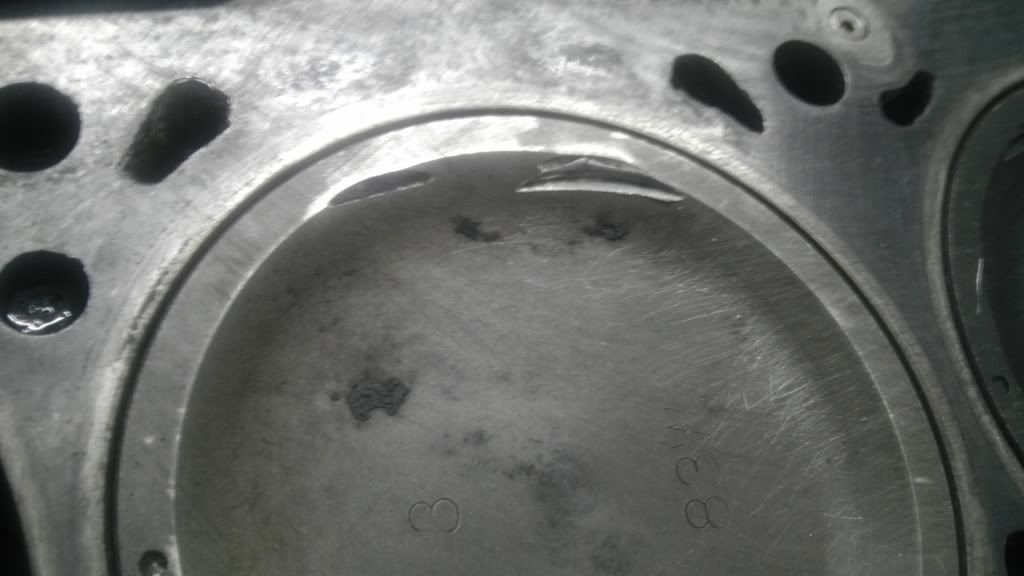
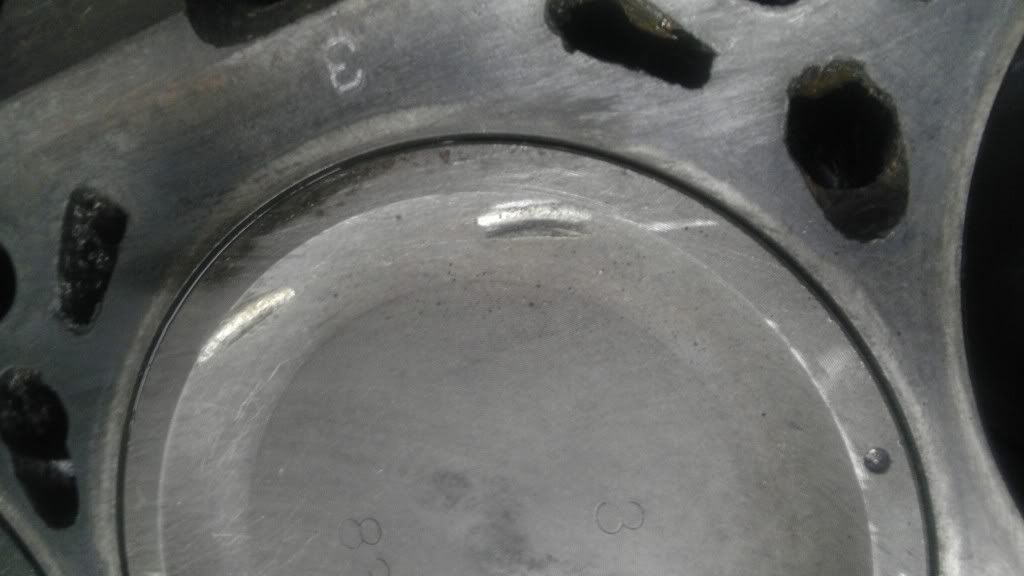
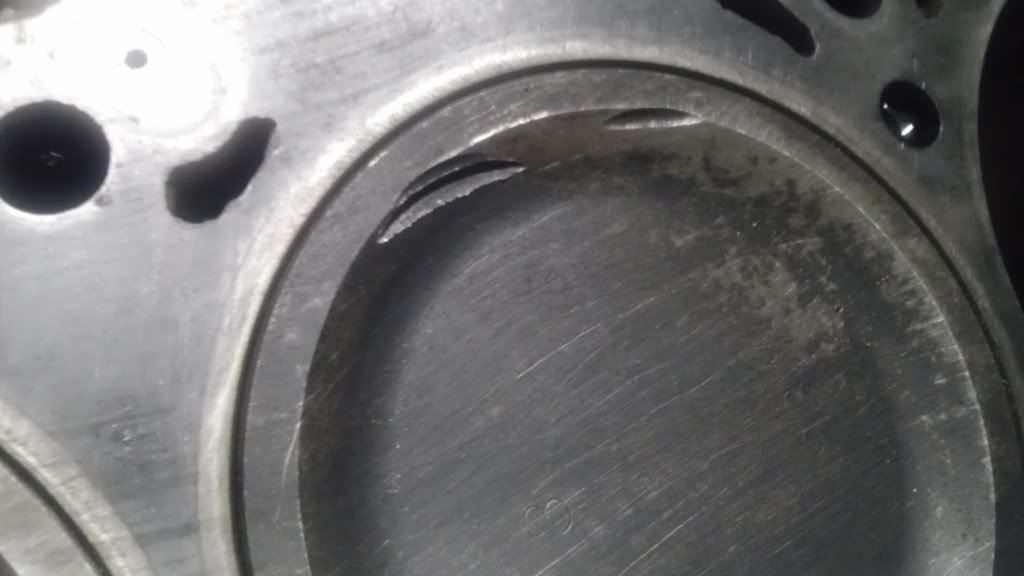
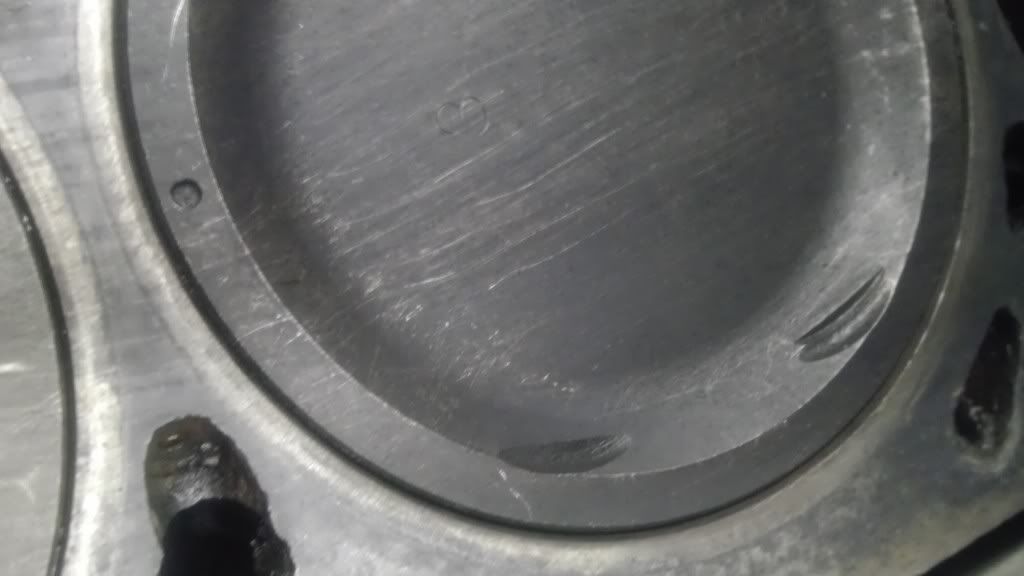
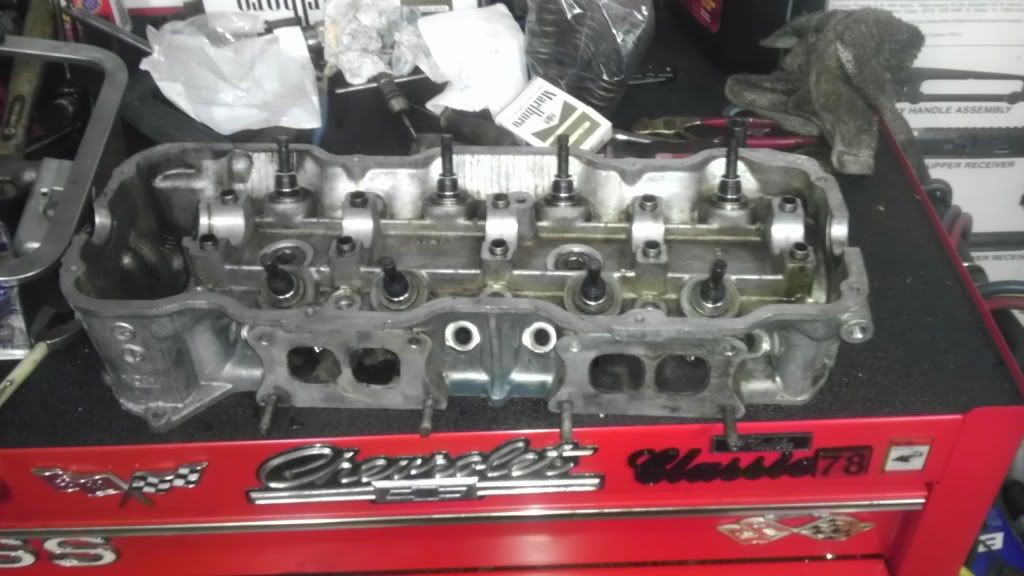
Head off

Image

Notice the new head gasket...

Image

#2 piston was feeling frisky. Said to valve: Kiss me.

Intake

Image

Exhaust

Image

Same with #3

Image

Image

#2 exhaust

Image

ALL of the intake valves look just like this.

Image

Oh yeah, #2 intake valve guide

Image

Broke the f*** off.

Intake # 4

Image

Cracked.

Davezilla
Posts: 95
Joined: Mon Dec 19, 2011 5:40 pm
Car: 1990 300ZX
1986 720 4x4

Post

looks like you're in need of a new head now... it wouldn't have been so bad if the old head was still good... I do know where you can get a good head for a really reasonable price, I was gonna buy it but it was gonna be for a porting job and not because I needed it so I'd rather someone who needs it buys it... I sent you the info in a PM.

Another thing I found out was that the KA24E head will bolt right on the Z24 engine, thus converting your Z engine into a KA with minimal mods and without doing a full swap, you could look into this as an alternative or as a last resort...
Just in case you're thinking about the KA head,
There's plenty of pros and cons from using a KA head on the Z engine, so here's what I know before you run out and buy one...
1. The KA is fuel injected and the intake flanges are different so a fabricated or highly modded intake would be needed to keep the carb (you *could* cut both manifolds and have somebody tig the carb manifold to the KA flange, unless you got a mig or tig that can weld aluminum), unless some of the overseas models were offered as a carburated engine.
2. The Z engine will gain a few horses up top with the KA head, but will lose significant bottom end torque, making it a not so good idea if you got a 4x4 or a high final drive gear ratio.
3. The KA pistons will fit the Z engine since the rod length and the pin hight are the same, this will bring the Z's wimpy 8.3:1 compression ratio up to a more respectful 9.8:1 due to the KA's smaller dish volume... this is very good for stronger bottom end torque as well as a few extra ponies up top, top end won't be as noticeable as the bottom end, may need to retard timing on a 4x4 or heavier truck to prevent detonation.
4. The Z rods are much beefier than the KA's rods so keep the Z rods if more horsepower is planned in the future.
5. The KA does have more performance parts available thru the aftermarket, a good choice if more horses are planned in the future as well.
6. The KA and the Z share the same bolt pattern on the exhaust side and you can match port either manifold or header to fit the other, making it real easy to add a turbo to a Z engine since there's plenty of turbo maniflds out there that'll fit with only minor match porting needed.

I'll post more about the KA head on the Z engine mod when I find out more about this since it would be an easy way to update your engine without doing a full swap, or simply build an engine with the best parts from each engine. But from what I've found out so far, this can be done with minimal modding and some parts will fit right out of the box, but would be an easy way to wake up the Z24...

Smyrna720
Posts: 67
Joined: Wed Dec 21, 2011 8:13 am
Car: 1985 Nissan 720 2WD stripper
1996 Chevrolet Caprice (The fast one)
1997 Dodge Intrepid (The beater)
Location: Smyrna TN, Home of the 720
Contact:

Post

I'll be watching for a KA to Z24 head swap. All the research I've done says it won't work, but I've learned to never say never.

Well, all I can really say from here is it runs. I'm going to post up some pictures from along the way.

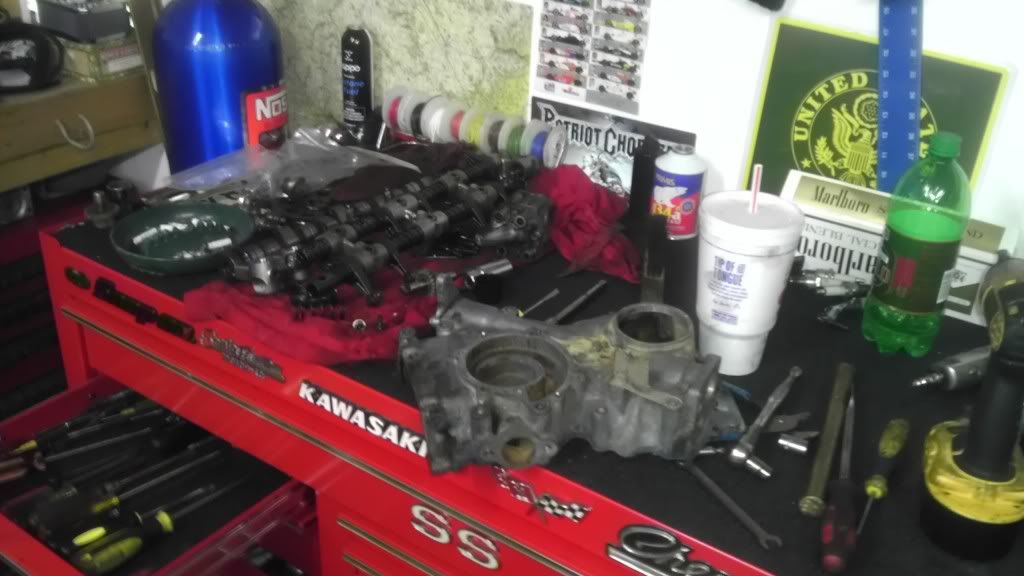
Junkyard head getting new valve seals that came with the head kit.

Image

Yes, that's a chunk of garden hose.

Image

Timing cover.

Image

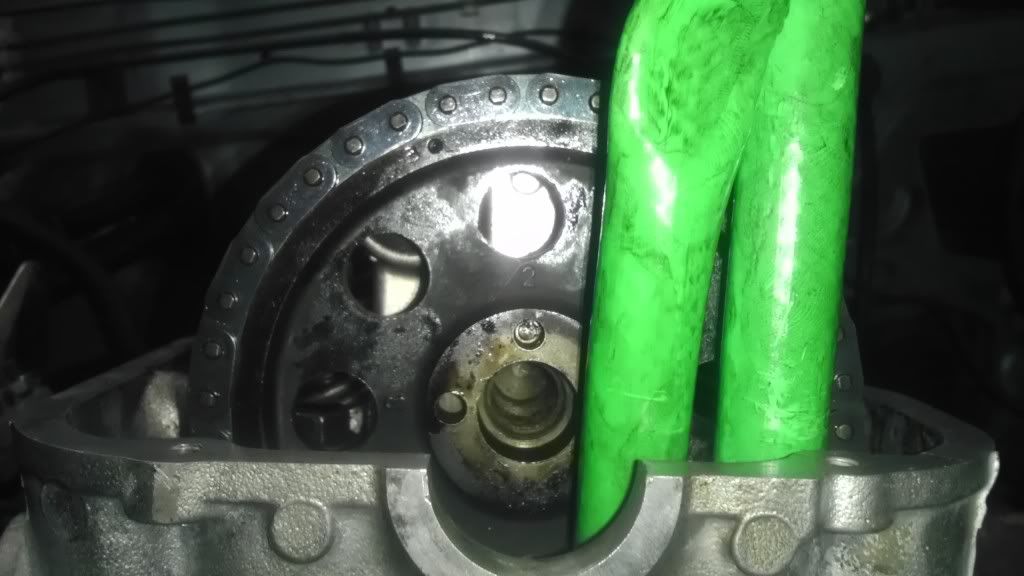
Incorrect cam timing.

Image

Image

Corrected cam timing.

Image

From this:

http://www.youtube.com/watch?v=zCBVqBqtJ9Q&feature=plcp

To this.

http://www.youtube.com/watch?v=s3SrXN-odbQ&feature=plcp

Like a bawse.

Image

Davezilla
Posts: 95
Joined: Mon Dec 19, 2011 5:40 pm
Car: 1990 300ZX
1986 720 4x4

Post

Good job and it sounds Way better... Mine used to sound about like your first vid when I first brought it home.. lol, but it was all just carb problems...

On your second vid, it does sound like your carb is jetted a bit lean... try getting a .70 idle jet and take the .60 out of the primary, replace it with the .70, then keep the .60 and put that in the secondary side to replace the stock .50. With the .70 pri and .60 sec idle jets in it should rev up quicker without that gaspy sound when you mash the throttle. Mine sounded the same way and I was thinking it was running good until I hooked up a wideband to it and saw the AFR with the .60 pri/.50 sec idle jetting was between 17.5:1 and 18:1 when adjusted by Weber's specs (Weber likes to run them very lean at idle to help conform to EPA standards, not exactly what your engine wants). I set mine up to idle with a 14.7:1 mixture using the .70 pri /.60 sec and it gave it a much smoother idle as well as better off idle and low rpm power.
My main jets dialed in with a 1.45 pri and 1.50 sec as well with 1.55 pri and 1.50 sec air corrector jets installed, this gives me a cruise air fuel ratio of 14.0:1 and when the power valve opens up at full throttle the AFR drops to a much more respectable 12.5:1 ratio. This gave the engine an overall improvement not only in power, but also smoothness and drivability. I can also set my idle as low as 600 rpm with the AC on and it still remains dead smooth with no tendency to stall when coming up to a stop light. This also helped with gas milage since the engine don't have to work quite as hard with the correct air fuel mixtures.
I did bump the idle up to 750 to be closer to the Nissan manual, but wanted to see if it would go slower and it can.
This was all tuned with a wideband installed, but you can probably get similar results by using the jets I'm running if you live in the southern states and close to sea level... now if you live more than about 1500 feet above sea level, these jets would be on the rich side.

I got the Weber tuning guides on PDF as well as a Weber troubleshooting guide which between the 2 guides and another weber performance type guide, you can tune these to work precisely with your engine at all RPM's as well as know how to retune for add ons like headers, hotter cams, and free flowing air cleaners etc... I can email copies to anyone who's interested in these guides.

Smyrna720
Posts: 67
Joined: Wed Dec 21, 2011 8:13 am
Car: 1985 Nissan 720 2WD stripper
1996 Chevrolet Caprice (The fast one)
1997 Dodge Intrepid (The beater)
Location: Smyrna TN, Home of the 720
Contact:

Post

Please please please send those weber tuning guides to [email protected]. I would sure appreciate it. I plan on getting a wideband and using the O2 sensor hole in the exhaust manifold. Also, what state do you live in? I'm just curious how close it is here to Tennessee. If I ever get any more truck money, I'll buy that tuning kit and probably just go with your specs if I can't come up with a wideband. I really appreciate the tuning help!

Davezilla
Posts: 95
Joined: Mon Dec 19, 2011 5:40 pm
Car: 1990 300ZX
1986 720 4x4

Post

pdf's sent ... I'm in San Antonio Texas and it sits about 700 feet above sea level so if you're about the same elevation those settings I posted should work better, but if you live at a much higher elevation like over 1500 feet then you may need to tune maybe one size leaner.... more on this later...

XavierBK
Posts: 58
Joined: Sat Mar 03, 2012 7:40 pm
Car: 2011 Yamaha Stryker
1985 Nissan 720

Post

Smyrna720 wrote:I also fixed the driver side door hinge. Talk about a motherf***er. Pull the cowl. Check. Pull the grille out. Check.
Break 6 of the 9 bolts that hold the f**king fender on. Check.

Ugh. Luckily I rape everything I work on in the junkyard for hardware, so I had plenty on hand. Serriously, I just unbolt s*** and take the bolts. People don't care because, oh, I needed that seat anyways, now I don't have do do any work. Win-win. Anyways, here's how I did it.

*snip*

Pulled the hinge apart. Drilled the TOP two holes to 5/16ths exactly, because I was using a 5/16ths bolt. For the bottom, Used a nutsert thing I found in my hardware can (See a theme developing?). It was originally destined for some kind of military vehicle, but it will work here. I drilled the OUTSIDE part of the hinge .010" undersize of the nutsert and pressed that b**** in. I then drilled the inside about .015" over. Loose enough to move easily, but tight enough to not be sloppy. Notice that the nutsert requires both hinge pieces to be together during time of assembly. Also Red locktite on the bolt ensures that the door won't fall off.

Bolted the hinge up loosely first, then tightened the door bolts, closed the door most of the way, took a #2 flathead screwdriver to prop the door off the striker (to allow for sag), tightened the cab bolts, remove screw driver, shut door. Like a boss.

Now is a good time to look and see how rusty your s*** is. I didn't want to take pictures of mine, lets just put it that way. Also at this time, take your drill and run it through the threads that I'm sure look like s***, and while you're at it, get them bolts you broke out. A pair of Channel locks on the back side ought to do it. Can't get to the back side? Just drill out and re-tap. Oh, and check for a hid-a-key on the inside of the fender.

*snip*

Who woulda known. Well, now you can put your junk back together and enjoy your door shutting correctly. Oh happy days.
Any way to fix these hinges without putting a bolt in 'em? I've got an issue with mine where it sags a bit and gets hung up on the catch. Sometimes this leads to it not pressing the switch all the way in leaving the interior light on which is becoming a problem with it getting colder. I usually try to make sure I shut the door completely but sometimes I'm in a hurry or have little ones with me and forget.

I'd like to tackle this at some point... is it really a pain in the a** to get to? I haven't ever looked at what is needed to pull the fenders.


Return to “Datsun 720”