Post by
Looneybomber »
https://forums.nicoclub.com/looneybomber-u14304.html
Fri May 14, 2010 5:31 pm
Has anyone talked about safety, i.e. keeping yourself pain free and damage free?
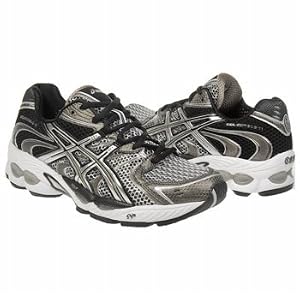
I bring this up because I just got shin splints today wearing my new running shoes after over doing it and not getting the shoes properly broke in.
People that workout consistently for a month or so start to develop a noticeable increase of musculature strength and endurance. Soon they start to push it too hard for what their body is ready for and run into issues; Shin splints, connective tissue inflammation, cartilage inflammation and/or wear, muscle tears, erratic heart rate or tachycardia, etc...
Things to do:
1a. Warm up! Everyone knows this yet when I go to the gym, I see few people doing a proper warm up. (And sitting in the sauna, physically getting hot does not count. I knew a guy that did this.) Walk for a couple minutes then jog (not run) or get on the elliptical for 7-10 minutes.
1b. Stretch out. Total body static stretching. Should take 6-8 minutes.
1c. Do really light sets of the compound exercises you'll be doing that day. For example, bench or squat the bar, lat pulls with 50 lbs, etc...you get the idea. I'd do a set or two of 20-30, and do further stretching of the muscles to be worked that day.
2a. Workout with weight you can do without compromising form. Everyone knows that bouncing the bar off your chest or swinging your back while doing curls is bad, but think about the basic physics of it. There are specific muscles being worked and any movement outside of what specifically effects the muscles being worked should be avoided. This includes, but not limited to, rolling shoulders when doing shrugs, swaying forward and back when doing lat pulls and seated rows, rolling shoulders when doing bent over rows and "lawn mowers", raising your heels off the ground when doing pretty much anything except for calf raises.
No body arches their back, ever, right?
2b. Don't max out! I know you're getting stronger and you want to prove to yourself (and maybe others around) how strong you are, but don't. The risk of injury increases greatly at maximal output! Think about driving at WOT vs. driving normally. At WOT, which is maximal output, how long do you think the motor will last?
Doing a single maximal weight repetition is only good if you're into power lifting and you're at a competition. 2 rep sets are also pretty bad, I tried never to do less than 3 and typically did 4 or more. My joints just couldn't put up with it, but I also did working sets with nearly 300 on bench and 400 on deadlifts and squats. Due to injuries, I never could get any stronger.
3. Cool down. Just like you did when you warmed up, do really light sets of the compound exercises you did that day. 20-30 reps w/no bar on bench for example. Then get on the treadmill or eliptical and go easy for 10-15 minutes just to get blood flowing.
4. Stretch out again. Total body, both dynamic and static. This should take a little while.
5. Be prepared to use non-steroidal anti-inflammatory drugs (NSAID) and ice joints, shins, etc...
I'm sure for some of you - maybe even most - this sounds a bit excessive since your hour long workout turned into two hours in the gym, but once you get out of your teens and early twenties and into your thirties, you'll be glad you treated your body nicely.
Also, warm ups and cool downs need to be proportionally longer as workouts get longer and harder. Do you think I needed to warm up to pick up a jug of milk off the ground? Do you think I needed to warm up to rep out 390 on deadlift 5 times?
Work hard this summer, but be safe.















 )
)


 (its called Xercise)