
THE 240SX PHOTO GAME
-
95zenki man

- Posts: 1201
- Joined: Mon Sep 13, 2010 11:38 am
Re: THE 240SX PHOTO GAME
If no one has this easy pic, tomorrow ill wash my damn car just to move this game on...
-
OutToWinPAHC

- Posts: 8810
- Joined: Thu May 31, 2007 12:19 pm
- Car: 2015 Chevy Silverado
Nissan Skyline R33 GTS-t
Nissan Skyline R32 GTR
Nissan RB20 E46 RHD
2015 Harley Vrod Muscle
1990 Nissan Patrol - Location: PA
- Contact:
Re: THE 240SX PHOTO GAME
I dont care if you draw an angel with bar soap.
-
Oh Em Zee

- Posts: 549
- Joined: Fri Apr 17, 2009 6:55 pm
- Car: '96 Nissan Z32 Slicktop
'90 Nissan Z32 2+2 - Location: San Jose, CA
Re: THE 240SX PHOTO GAME
Uhh.. I'll save this thread tomorrow washing and waxing my Z32 
-
badbob2121

- Posts: 1989
- Joined: Sat Jan 16, 2010 9:23 am
- Car: '92 Nissan 240SXS13 Hatch ELLIS JUAN
'12 Ford Mustang GT RTR - Location: St. Louis
Re: THE 240SX PHOTO GAME
hmm... i guess "THE 240SX PHOTO GAME" is a confusing title...Oh Em Zee wrote:my Z32

-
95zenki man
- Posts: 1201
- Joined: Mon Sep 13, 2010 11:38 am
Re: THE 240SX PHOTO GAME
Soap + angel... got it!
-
Oh Em Zee
- Posts: 549
- Joined: Fri Apr 17, 2009 6:55 pm
- Car: '96 Nissan Z32 Slicktop
'90 Nissan Z32 2+2 - Location: San Jose, CA
Re: THE 240SX PHOTO GAME
Well SOMEBODY has to wash their carsbadbob2121 wrote: hmm... i guess "THE 240SX PHOTO GAME" is a confusing title...

in order to keep my sanity, i'll be leaving now

Last edited by Oh Em Zee on Thu Apr 14, 2011 9:41 pm, edited 1 time in total.
-
OutToWinPAHC
- Posts: 8810
- Joined: Thu May 31, 2007 12:19 pm
- Car: 2015 Chevy Silverado
Nissan Skyline R33 GTS-t
Nissan Skyline R32 GTR
Nissan RB20 E46 RHD
2015 Harley Vrod Muscle
1990 Nissan Patrol - Location: PA
- Contact:
Re: THE 240SX PHOTO GAME
FixedOh Em Zee wrote:Well SOMEBODY has to wash their boatsbadbob2121 wrote: hmm... i guess "THE 240SX PHOTO GAME" is a confusing title...
-
costa_rican13

- Posts: 1553
- Joined: Thu Jul 31, 2008 5:35 am
- Car: 1993 s13 coupe
Re: THE 240SX PHOTO GAME
Lol ^^ nice pahc! Somebody wash I keep getting rained and hailed on. No point in washing 
-
95zenki man
- Posts: 1201
- Joined: Mon Sep 13, 2010 11:38 am
Re: THE 240SX PHOTO GAME
Done.....


Next pic Your 240 next to a cop car...
Next pic Your 240 next to a cop car...
-
costa_rican13
- Posts: 1553
- Joined: Thu Jul 31, 2008 5:35 am
- Car: 1993 s13 coupe
Re: THE 240SX PHOTO GAME
really?.... 
actually this was already done on page 4 at the bottom.
actually this was already done on page 4 at the bottom.
-
95zenki man
- Posts: 1201
- Joined: Mon Sep 13, 2010 11:38 am
Re: THE 240SX PHOTO GAME
Fine in front of the police station
-
nismokidd96

- Posts: 46
- Joined: Mon Nov 08, 2010 3:31 pm
- Car: 96 nissan 240sx se s14
89 nissan 240sx S13
Re: THE 240SX PHOTO GAME
costa_rican is right...that was my old challenge your 240sx infront of a police station or next to a cop car. So pick a new challenge 95zenki man
-
95zenki man
- Posts: 1201
- Joined: Mon Sep 13, 2010 11:38 am
Re: THE 240SX PHOTO GAME
gah i just cant win tonight....
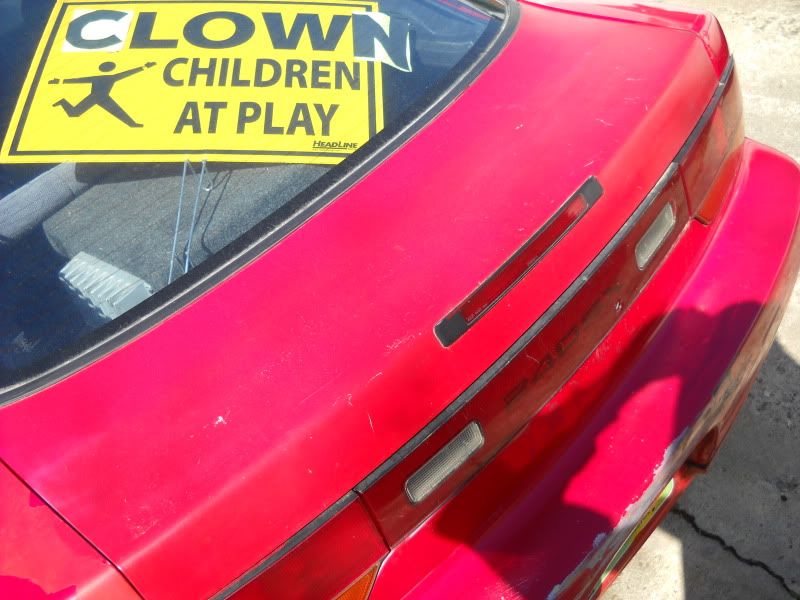
New challenge your 240 with a funny sign in the window.
New challenge your 240 with a funny sign in the window.
-
breadbox

- Posts: 8549
- Joined: Tue Oct 17, 2006 4:09 pm
- Car: 89 Nissan 240SX
89 Koop
84 720 4x4KC - Location: Va Bch
Re: THE 240SX PHOTO GAME
This good enough?
-
95zenki man
- Posts: 1201
- Joined: Mon Sep 13, 2010 11:38 am
Re: THE 240SX PHOTO GAME
That made my chuckle, so yeah thats good
-
breadbox
- Posts: 8549
- Joined: Tue Oct 17, 2006 4:09 pm
- Car: 89 Nissan 240SX
89 Koop
84 720 4x4KC - Location: Va Bch
Re: THE 240SX PHOTO GAME
New Challenge then is your S-chassis next an Air Cooled Vehicle.
Last edited by breadbox on Tue Apr 19, 2011 6:16 am, edited 1 time in total.
Re: THE 240SX PHOTO GAME
Also A lot of old VW's with boxers.breadbox wrote:New Challenge then is your S-chassis next an Air Cooled Vehicle.
IF you don't know then just a Porshe is fine.
-
SX APPEAL

- Posts: 1345
- Joined: Tue Oct 05, 2004 10:26 am
- Car: 06 G35 Coupe 6MT
95 Maxima SE 5MT - Location: Springfield, MO
Re: THE 240SX PHOTO GAME
any old bug or porche would do nicely, too bad both my S-chassis are in pieces right now...
-
dak0n

- Posts: 142
- Joined: Fri Apr 13, 2007 8:48 am
- Car: 1992 white 180sx (under construction, will be done soon)
- Location: Syracuse Ny
Re: THE 240SX PHOTO GAME

not sure which of the porches in the background have it, so i took a pic with abunch lol. if this is good then Next Challenge is a 240 with a waterfall in the picture.
-
240sxAli4Life

- Posts: 493
- Joined: Mon Sep 27, 2010 7:08 pm
- Car: 1990 S13 Hatch SOHC... SOLD :(
1993 S13 Hatch DOHC!! Super Sexy!! - Location: Florence, KY
Re: THE 240SX PHOTO GAME
Who has a waterfall near them??? We dont all live at Niagra Falls!! 
-
dak0n
- Posts: 142
- Joined: Fri Apr 13, 2007 8:48 am
- Car: 1992 white 180sx (under construction, will be done soon)
- Location: Syracuse Ny
Re: THE 240SX PHOTO GAME
Ok, then a s-chassie infront of somthing asian.
-
95zenki man
- Posts: 1201
- Joined: Mon Sep 13, 2010 11:38 am
Re: THE 240SX PHOTO GAME
my car is asian...so will a pic of my car work?
-
OutToWinPAHC
- Posts: 8810
- Joined: Thu May 31, 2007 12:19 pm
- Car: 2015 Chevy Silverado
Nissan Skyline R33 GTS-t
Nissan Skyline R32 GTR
Nissan RB20 E46 RHD
2015 Harley Vrod Muscle
1990 Nissan Patrol - Location: PA
- Contact:
Re: THE 240SX PHOTO GAME
Hold up.... I see no air cooled VW / Porsche
-
dak0n
- Posts: 142
- Joined: Fri Apr 13, 2007 8:48 am
- Car: 1992 white 180sx (under construction, will be done soon)
- Location: Syracuse Ny
Re: THE 240SX PHOTO GAME
wtf is air cooled, like a hood scoop? do Subaru's count?
-
OutToWinPAHC
- Posts: 8810
- Joined: Thu May 31, 2007 12:19 pm
- Car: 2015 Chevy Silverado
Nissan Skyline R33 GTS-t
Nissan Skyline R32 GTR
Nissan RB20 E46 RHD
2015 Harley Vrod Muscle
1990 Nissan Patrol - Location: PA
- Contact:
Re: THE 240SX PHOTO GAME
Like no coolant, an aircooled motor. 911 99 and prior as well as many others.
-
mudvayne9790

- Posts: 283
- Joined: Wed Mar 28, 2007 1:57 pm
- Car: 240sx 93 Hatch
Re: THE 240SX PHOTO GAME
http://en.wikipedia.org/wiki/Air-cooled_engine
Most modern internal combustion engines are cooled by a closed circuit carrying liquid coolant through channels in the engine block, where the coolant absorbs heat, to a heat exchanger or radiator where the coolant releases heat into the air. Thus, while they are ultimately cooled by air, because of the liquid-coolant circuit they are known as water-cooled. In contrast, heat generated by an air-cooled engine is released directly into the air. Typically this is facilitated with metal fins covering the outside of the cylinders which increase the surface area that air can act on.
In all combustion engines, a great percentage of the heat generated (around 44%) escapes through the exhaust, not through either a liquid cooling system nor through the metal fins of an air-cooled engine (12%). About 8% of the heat energy finds its way into the oil, which although primarily meant for lubrication, also plays a role in heat dissipation via a cooler. [1]
Most modern internal combustion engines are cooled by a closed circuit carrying liquid coolant through channels in the engine block, where the coolant absorbs heat, to a heat exchanger or radiator where the coolant releases heat into the air. Thus, while they are ultimately cooled by air, because of the liquid-coolant circuit they are known as water-cooled. In contrast, heat generated by an air-cooled engine is released directly into the air. Typically this is facilitated with metal fins covering the outside of the cylinders which increase the surface area that air can act on.
In all combustion engines, a great percentage of the heat generated (around 44%) escapes through the exhaust, not through either a liquid cooling system nor through the metal fins of an air-cooled engine (12%). About 8% of the heat energy finds its way into the oil, which although primarily meant for lubrication, also plays a role in heat dissipation via a cooler. [1]
-
dak0n
- Posts: 142
- Joined: Fri Apr 13, 2007 8:48 am
- Car: 1992 white 180sx (under construction, will be done soon)
- Location: Syracuse Ny
Re: THE 240SX PHOTO GAME
i see, very interesting, well s*** i don't know any 911's and there are a crap load of vw's around here, maybe i can snap a shot with one of those lol.
Also do dune buggies count if they r air cooled?
Also do dune buggies count if they r air cooled?
-
OutToWinPAHC
- Posts: 8810
- Joined: Thu May 31, 2007 12:19 pm
- Car: 2015 Chevy Silverado
Nissan Skyline R33 GTS-t
Nissan Skyline R32 GTR
Nissan RB20 E46 RHD
2015 Harley Vrod Muscle
1990 Nissan Patrol - Location: PA
- Contact:
Re: THE 240SX PHOTO GAME
Probably alot are VW powered
-
SX APPEAL
- Posts: 1345
- Joined: Tue Oct 05, 2004 10:26 am
- Car: 06 G35 Coupe 6MT
95 Maxima SE 5MT - Location: Springfield, MO
Re: THE 240SX PHOTO GAME
An old style bug is your best bet, anything prior to the "New Beetle" was air cooled.
-
OutToWinPAHC
- Posts: 8810
- Joined: Thu May 31, 2007 12:19 pm
- Car: 2015 Chevy Silverado
Nissan Skyline R33 GTS-t
Nissan Skyline R32 GTR
Nissan RB20 E46 RHD
2015 Harley Vrod Muscle
1990 Nissan Patrol - Location: PA
- Contact:
Re: THE 240SX PHOTO GAME
Incorrect all of the 1980's-90's Gulfs, GTI, Scirocco, Jettas, Rabbits. Corrado were water cooled. What your looking for essentially is an old beetle / bug, VW bus van, Puma, Karmann Ghia, or old 911's and variants prior to the 99 models. Realistically old bug, old van, older 911 and your good.